

Mods Haus
Stars Phantom Pink Gray Wrap for Cars - Gloss Starlight Shift Vinyl
Regular priceFrom $599.00 USDUnit price-
Mods Haus
Metallic Coal Gray Wrap for Cars - Gloss Anthracite Vinyl
Regular priceFrom $599.00 USDUnit price-
Mods Haus
Metallic Opal Blue-Grey Wrap for Cars - Gloss Prismatic Vinyl
Regular priceFrom $599.00 USDUnit price-
Mods Haus
Metallic Mineral Graphite Wrap for Cars - Gloss Tech Grey Vinyl
Regular priceFrom $599.00 USDUnit price-
- Up to 25% off
Mods Haus
Metallic Shadow Blue-Grey Wrap for Cars - Gloss Dark Slate Vinyl
Sale priceFrom $599.00 USD Regular price $799.00Unit price -
Mods Haus
Metallic Bernina Grey Wrap for Cars - Gloss Amber-Grey Vinyl
Regular priceFrom $599.00 USDUnit price-
Mods Haus
Metallic Byron Bay Blue Wrap for Cars - Gloss Coastal Teal Vinyl
Regular priceFrom $599.00 USDUnit price-
Mods Haus
Mist Cloud Gray Wrap for Cars - Gloss Solid Crayon Vinyl
Regular priceFrom $599.00 USDUnit price-
Mods Haus
Metal Volcano Grey Wrap for Cars - Gloss Metallic Charcoal Vinyl
Regular priceFrom $599.00 USDUnit price-
Mods Haus
Metal Grey Purple Wrap for Cars - Gloss Lavender Blue Color Shift Vinyl
Regular priceFrom $599.00 USDUnit price-
Mods Haus
Metallic Violet Grey Wrap for Cars - Gloss Purple Gray Metallic Vinyl
Regular priceFrom $599.00 USDUnit price-
Mods Haus
Metallic Space Grey Wrap for Cars - High Gloss Gunmetal Vinyl Film
Regular priceFrom $599.00 USDUnit price-
Mods Haus
Jasper Grey Wrap for Cars - High Gloss Metallic Cement Vinyl
Regular priceFrom $599.00 USDUnit price-
Mods Haus
Tourmalie Grey Wrap for Cars - High Gloss Metallic Gunmetal Film
Regular priceFrom $599.00 USDUnit price-
Mods Haus
Martin Silver Grey Car Wrap - High Gloss Metallic PET Vinyl Film
Regular priceFrom $599.00 USDUnit price-
- Up to 21% off
-


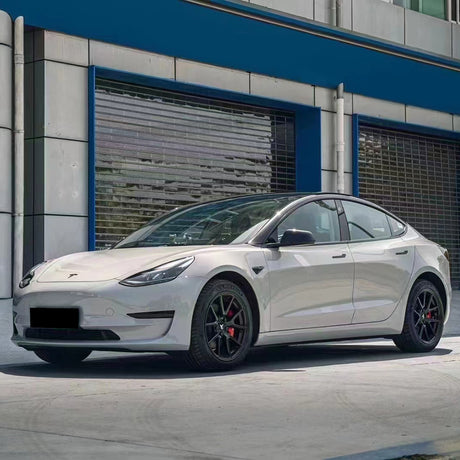
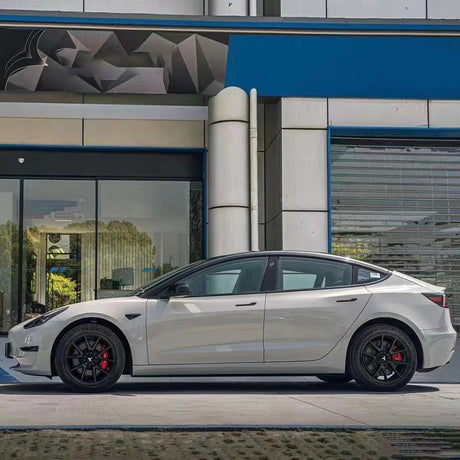
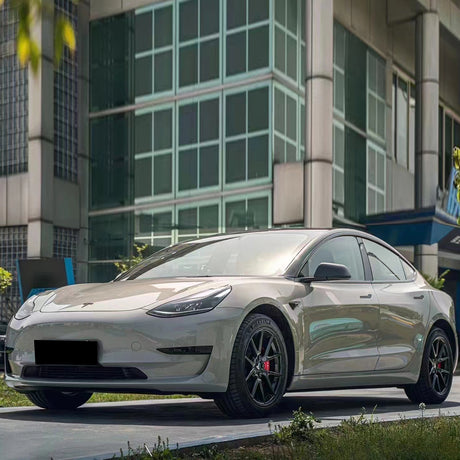
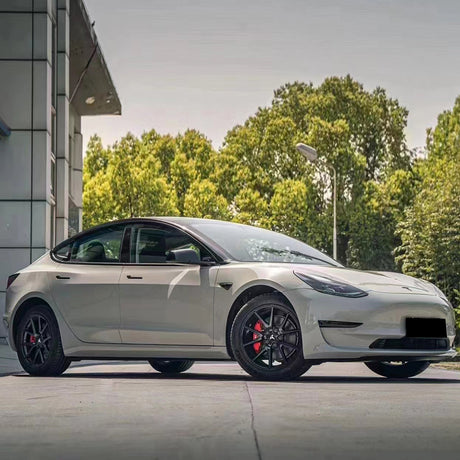
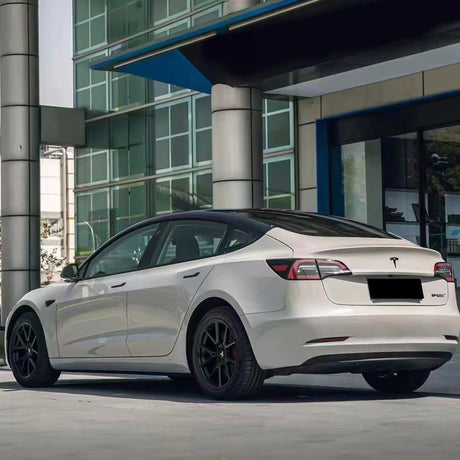
Why ModsHaus PET Gray Vinyl vs. Traditional Gray Wraps
Most traditional premium gray car wraps on the market use cast films on paper liners. While the cast is proven for durability, the paper backing subtly imprints texture into the adhesive layer, which becomes obvious when strong light hits a dark gray or high‑gloss surface. On colors like gloss Nardo gray or gloss cement gray, that texture can turn what should be a clean, modern look into something that feels slightly plastic and uneven.
ModsHaus takes a different path with its gray and grey car wraps by combining a high‑grade polymeric base with a PET (plastic) liner. The PET liner is dimensionally stable and perfectly smooth, so the adhesive cures against a glass‑flat surface. The result is a truly mirror‑like gloss on options such as gloss volcano gray and liquid agate gray, and an ultra-even sheen on satin and matte gray wraps with no blotchy patches.
There is a trade‑off: PET‑liner polymeric films are slightly thicker and stiffer than traditional cast. They ask more from the installer—more heat control, more intentional stretching, more careful post‑heating—but they reward that effort with a noticeably cleaner, higher-end finish. If you are building a car that needs to photograph well, show well, or simply look better than the average wrapped vehicle, this PET‑backed approach is where you feel that difference every time you walk up to the car.
Popular Gray Shades & Finishes in Modern Builds
Modern gray and grey car wraps have moved way beyond “just another neutral.” Light gray car wraps like gloss light cement gray and gloss Brooklyn grey give a minimalist, design-forward look that pairs perfectly with black trim, smoked lighting, and performance wheels. They sit in that perfect middle ground where the car always looks clean, even between washes, and the body lines still read clearly in all lighting conditions.
For builders who want more character without going full color, there are complex tones such as gloss Yugali cyan blueish gray and liquid agate gray, which blend subtle blue or warm undertones into a primarily gray base. These vinyls look almost factory at a distance, but reveal depth and nuance up close—especially on vehicles with sculpted doors, flared arches, or strong shoulder lines.
On the darker end of the spectrum, dark gray car wraps like ultra matte dark grey, ultimate matte meteorite gray, and gloss dark Nardo gray create a stealth, high-performance vibe. These are the finishes that make SUVs feel lower and wider, give sedans a more premium “black tie” attitude, and transform coupes into serious, track‑ready builds. Because of the PET liner and polymeric construction, even these intense dark tones keep their clarity and don’t wash out under bright sun.
Technical Specs & Durability of Gray and Grey Wraps
High‑end gray car wraps need to balance visual sharpness, realistic durability, and real‑world install behavior. ModsHaus gray and grey vinyls are tuned for daily driving in harsh climates, frequent washing, and long highway trips.
- Base Material: High‑polymer PVC (polymeric calendered film)
- Liner: PET (plastic) for a smoother adhesive face and reduced orange peel
- Thickness: Roughly 5.2–6.0 mil, giving more body than many cast films and extra resistance to minor chips and scuffs
- Durability Window: Typically 3–5 years on vertical surfaces for both light and dark gray wraps, with horizontal panels like hoods and roofs seeing more UV stress over time
- Adhesive System: Low‑tack, pressure‑sensitive acrylic with integrated air‑release channels for bubble‑free installs
- Surface Behavior: Fine scratches on gloss and liquid‑style gray vinyls often diminish or disappear with gentle heat, helping maintain clean reflections
In use, that 3–5 year durability window means a light gray wrap like gloss light cement gray or a darker option like matte Selenite gray, will hold its intended tone and finish for several seasons before gradual, even lightening begins. Garage storage, regular washing, and optional ceramic protection can extend the “looks new” phase noticeably, especially for darker, more UV‑sensitive shades.
Installation Tips for Premium Gray PET Vinyl Wraps
Installing PET‑liner gray vinyls whether gloss Nardo gray, matte gray car wraps, or satin gray car wraps demands a bit more respect for heat and material behavior than older-generation films. The payoff is better panel flow and cleaner reflections, but the process rewards installers who slow down and plan.
The first rule is to treat the vinyl more like a formable shell than a stretchy fabric. Instead of pulling aggressively when the material is cold, always pre‑warm the film before attempting to conform it into deep recesses or around tight corners. This is especially important on darker gray and grey wraps, where overstretching can lead to visible lightening or tension marks.
Post‑heating is equally critical. Polymeric films have “memory”; they want to return to their flat, pre‑stretched state, which can cause recessed areas and edges to creep back over time if they aren’t locked in properly. After each heavily stretched area is laid down, go back with a heat gun and bring those zones up into the recommended post‑heat range. That step drastically reduces edge lifting on mirrors, bumpers, and complex bodywork.
Finally, remember that surface prep is more exposed with gray car wraps than with many colors. Light gray car wraps, in particular, will reveal leftover contamination, sanding marks, or heavy orange peel in the underlying clear. A proper wash, decontamination, and alcohol wipe-down make a huge difference in how smooth your final result looks especially under shop lights or direct sun. Taking this extra time up front ensures that when you step back from a gloss volcano gray, liquid agate gray, or matte Selenite gray install, the surface reads as a unified, intentional finish rather than a quick color change.
Frequently Asked Questions About Gray & Grey Car Wraps
Is this film closer to a cast or standard calendared wrap?
These gray car wraps use a high‑grade polymeric construction rather than traditional cast. The key advantage is the PET liner, which gives you flatter, sharper reflections than paper‑backed films while still offering realistic durability for daily drivers. For high-visibility builds where finish quality matters more than absolute lifespan, this balance is ideal.
What’s the difference between light gray car wraps and dark gray car wraps in daily use?
Light gray wraps, like gloss light cement gray or gloss Nardo gray, tend to hide dust and minor wash marks better and keep the car looking “clean” longer between washes. Dark gray and deep graphite tones, including ultra matte dark grey or gloss volcano gray, deliver more drama and contrast but show dirt and water spotting sooner—similar to black paint in that regard. Both ends of the spectrum benefit from the same basic care routine; the choice is more about the mood you want the car to project.
Can I ceramic coat gloss and liquid-style gray vinyls?
Yes, gloss gray wraps, liquid agate gray, and similar finishes respond very well to vinyl-safe ceramic coatings. Coating helps preserve depth, sharpen reflections, and make road film or winter grime easier to remove. For matte-gray or satin-gray car wraps, like matte Selenite gray or ultra matte blue gray, skip traditional waxes and polishes and use matte‑specific sprays designed not to add unwanted shine.
How much gray wrap do I actually need for a full car?
The amount is similar across colors, but it’s worth planning carefully because gray panels, especially light shades, show seams and patchwork more obviously if you have to mix batches. As a rule of thumb, compact cars and coupes typically need around 50–60 feet, sedans hover in the 55–65-foot range, and SUVs or trucks can require 75–100 feet, depending on size and body style. Having 10–15% extra on hand is inexpensive insurance against mistakes and future repairs.
Are gray and grey car wraps harder to maintain than other colors?
Not inherently. The maintenance steps, such as gentle handwashing, avoiding harsh chemicals, and watching pressure-washer angles, all mirror best practices for any high‑quality vinyl. What changes with gray is perception: a well‑maintained gray car wrap looks expensive and intentional, while neglected vinyl can quickly cheapen the look. With basic care, even heavily driven daily cars can keep a premium gray or grey finish looking sharp for years.